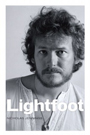
Book Description from Amazon This is an entertaining, authoritative, and highly anecdotal look at the golden era of Canadian pop music-the historically important decade that gave birth to such internationally respected recording artists as Neil Young, Joni Mitchell, Ian & Sylvia Tyson, Gordon Lightfoot, Murray McLauchlan, Bruce Cockburn, Buffy Saint Marie, Blood, Sweat & Tears, and Ronnie Hawkins. In the bohemian sixties, Toronto's Yorkville neighbourhood was a hippie haven-our version of Haight-Ashbury or Greenwich Village, a place where coffeehouses like the Riverboat and the Purple Onion offered a creative mecca for musicians from across Canada. They came from Saskatoon and Winnip...
Music journalism, books and more
Canada’s David Clayton-Thomas was blessed with a big, booming baritone, one of the most recognizable voices in pop music, a gift that took him from the clubs and coffeehouses of Toronto’s Yonge Street and Yorkville all the way to Woodstock, Hollywood and beyond. As the frontman of jazz-rock pioneers Blood, Sweat & Tears, which topped the charts in 1969 with horn-driven hits like “And When I Die,” “You’ve Made Me So Very Happy” and his own “Spinning Wheel,” the singer lived a charmed life, winning awards, adulation and a king’s ransom of earnings that allowed him to indulge his taste for luxury cars and sprawling, palatial homes in coveted locations like the Catskill Mountains. But C...
Gordon Lightfoot got his start on Yonge Street, not in Yorkville. Although the bard of Canadian song is often associated with Yorkville’s Riverboat coffeehouse, where he first became a star while performing weeklong stints in the mid-1960s, his first real home as a solo artist was Steele’s Tavern, at 349 Yonge. A two-storey operation run by Greek restaurateur Steele Basil, Steele’s was sandwiched between Yonge Street’s famously competitive record stores: Sam’s and A&A’s. There, in the upstairs Venetian Lounge, Lightfoot performed his songs for anyone who would listen, often competing with the clink of beer glasses and televised hockey games for people’s attention. Lightfoot had traveled ...
There are few personal histories as rich as Bobby Dean Blackburn’s. His musical legacy, which runs from the birth of rock ’n’ roll and rhythm & blues in Toronto through to his sons’ Juno-nominated blues band, is as long as Yonge Street itself. Bobby Dean’s ancestral story goes even deeper: his great-grandfather was a U.S. slave who found freedom in Canada on the Underground Railroad. For over half a century, he has paid tribute to that heritage with annual performances at Owen Sound’s Emancipation Festival. Now the veteran musician, who turns 80 later this year, plans to add to his lengthy list of accomplishments. Along with a double album of ballads and gospel songs on the horizon, a fo...
The North American rhythm-and-blues circuit of the 1950s and ’60s had a surprising number of artists pushing gender boundaries. Macon, Georgia’s Little Richard, who’d once performed as Princess Lavonne in a traveling tent show called Sugarfoot Sam's, was certainly the best known. But Richard was heavily influenced by Esquerita, a flamboyant and feminine pianist from New Orleans. Also from New Orleans were two other artists who were gay or transgender or nonbinary: Patsy Vidalia, born Irving Ale, hosted the city’s legendary Dew Drop Inn and recorded as Pat Valdelar; and gay soul singer and impresario Bobby Marchan regularly switched between male and female clothing—complete wi...